
Balancing Tourism, Tradition, and Sustainability
Case study of Viana do Castelo, Portugal
On July 21, 2025, a group of 40 young people headed to Lisbon as part of the Travel Different for Future programme, supported by four organisations, HI Slovenia, JANUN Hannover, Reaj and Movijovem. We aimed to travel sustainably, in a way that does not negatively affect local communities, nature, or culture. To stay true to this purpose, we visited local sites and learned about the issues and opportunities Lisbon faces regarding tourism. We spent only three days in Lisbon, as our main destination was Viana do Castelo, and we travelled there by train.
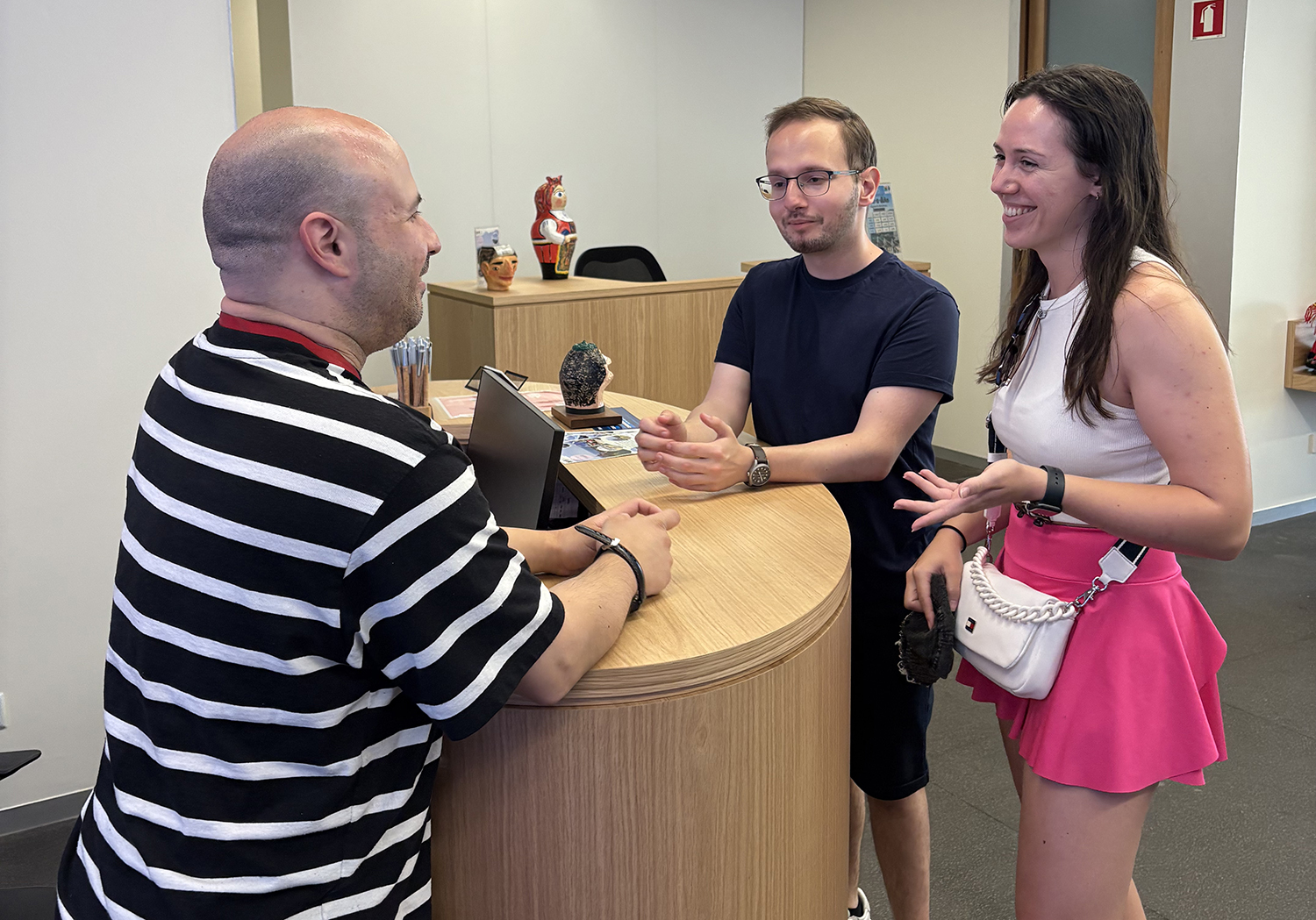
Anja and Luka
We visited the local tourist information centre, and spoke with a staff member to understand how the city is addressing current challenges in tourism, mobility, and environmental preservation. What followed was an insightful conversation that revealed a city proud of its traditions, actively working to adapt and thrive in a rapidly changing world.
Viana do Castelo is a coastal city in northern Portugal, known for its unique balance of natural beauty, heritage, and evolving sustainability initiatives. On July 26, 2025, we were split into four groups. Our group, Nature and Sustainability in Tourism, was assigned the task of learning more about the city through conducting an interview. We visited the local tourist information centre, and spoke with a staff member to understand how the city is addressing current challenges in tourism, mobility, and environmental preservation. What followed was an insightful conversation that revealed a city proud of its traditions, actively working to adapt and thrive in a rapidly changing world.
Natural beauty meets cultural depth
Viana do Castelo, a coastal gem in northern Portugal, is carving out a unique identity by embracing sustainability, local culture, and balanced tourism. According to a local representative from the tourist information centre, the city’s appeal lies in its natural diversity, offering rivers, ocean, and mountains, combined with rich cultural experiences such as sports, local festivities, and being a stop on the Camino de Santiago. Most visitors come from neighbouring Spain and France, as well as from within Portugal, especially during the main tourist season in August, when visitor numbers rise sharply close to a couple hundred thousand over 3 to 4 months, and the city becomes significantly busier.
Community-driven sustainability
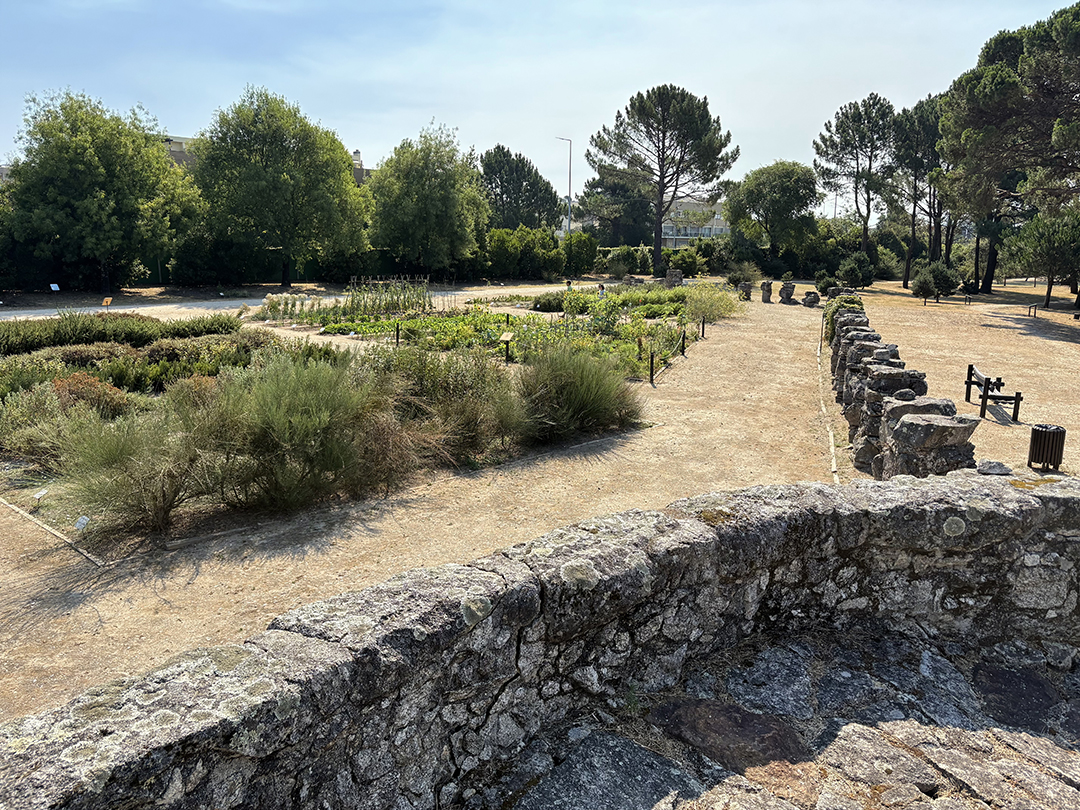
Despite this seasonal influx, Viana do Castelo has managed to avoid the pitfalls of mass tourism. The city prides itself on sustainable initiatives, like eco-parks where species are being reintroduced to environmentally conscious events such as jazz concerts that leave no ecological footprint. Locals are the key contributors to Viana’s sustainable tourism model, participating in festivals, cultural exchange days, and collaborative city projects. Many still live by the rhythms of village life, and even local shops team up on initiatives supported by the city hall. Tree planting has become a visible part of the community effort, for example, through organised actions documented in this tree planting post by Travel Different for Future and a related initiative shared by Hostelling International Slovenia.
Infrastructure and accessibility challenges
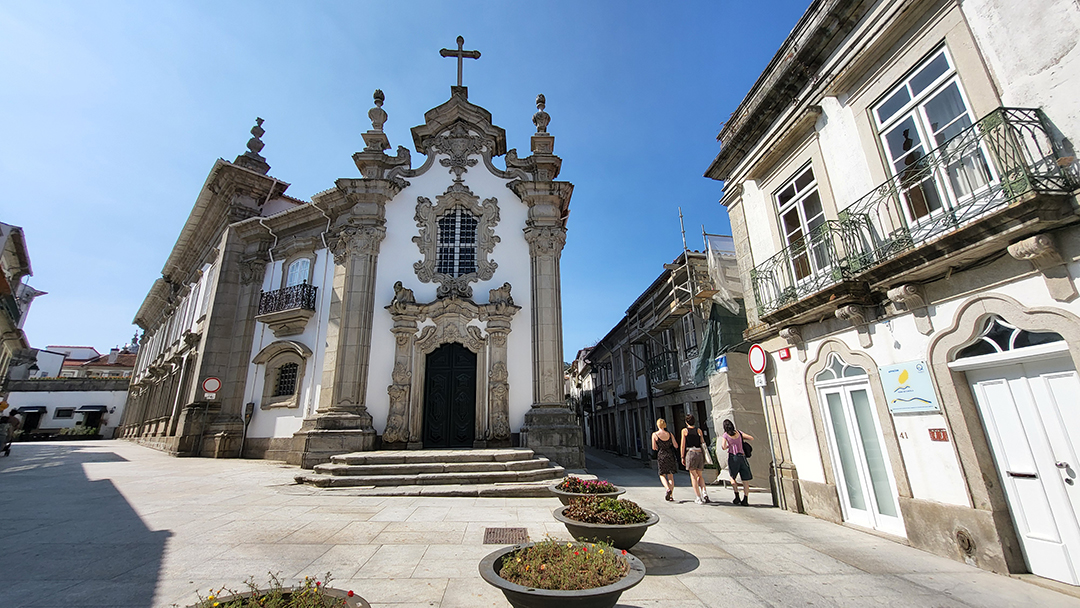
Sustainability efforts are backed by municipal and governmental programmes that include training and certification for local tour operators. However, challenges remain, such as uneven distribution of tourism benefits, a lack of public toilets, and insufficient utilities in some areas. Due to the lack of public toilets, visitors often depend on coffee shops, not just as social spaces, but as the only accessible restroom facilities, a situation that has drawn criticism.
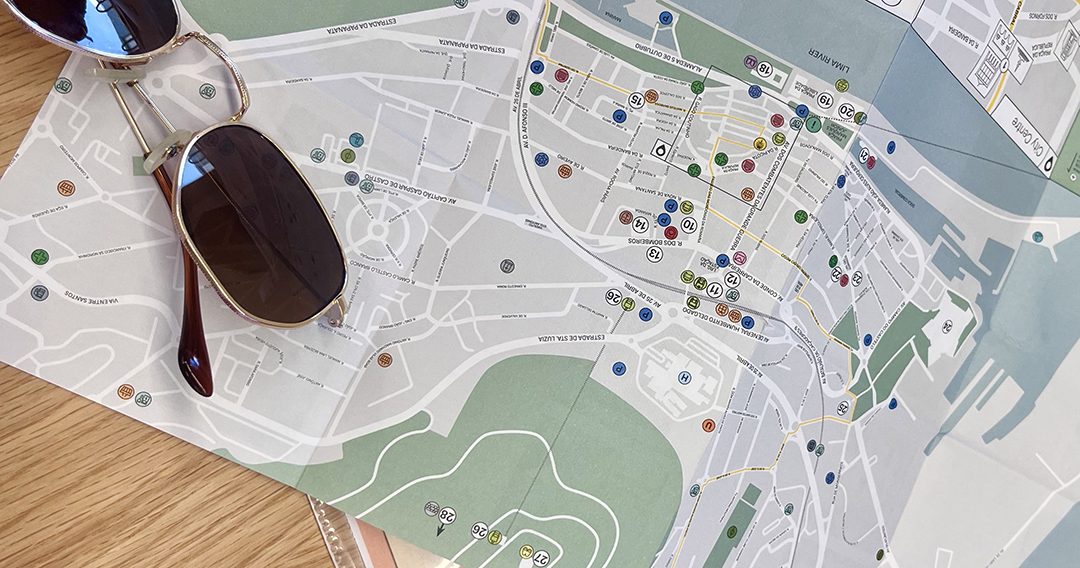
Transportation is another issue; the city lacks a centralised public transport system. Weekend service is particularly weak, though our interviewee believed simple solutions, such as additional bus routes, could vastly improve mobility.
Interestingly, while driving and parking can become congested, pedestrian areas remain pleasantly uncrowded. Viana’s charm lies in its calm, safe environment, crime is low, and the community is tightly knit. It is a destination for those seeking authenticity over intensity, where one can slow down and truly connect with both nature and local life. For practical tips on travelling lightly and respectfully, check our post Travel Light, Leave a Lasting Impact.
Mobility and daily life
Sustainability and mobility in Viana do Castelo are closely interlinked, shaped both by local culture and environmental necessity. One initiative focuses on enhancing public transport connections to surrounding mountainous areas to improve accessibility for people with mobility challenges. For a quick visual of how locals move around, see our “arrive by train” reel.
Environmental awareness and innovation
Environmental challenges tied to tourism are becoming more pronounced. Pollution of beaches due to increased boat traffic has raised concerns for marine sustainability. The city has responded with practical innovations to broader environmental issues, such as redesigning the recycling system. In windy conditions, traditional recycling bins posed problems, but the introduction of underground trash containers in some parts of the city has marked a significant improvement. For a simple, informative take on sustainable travel practices, read our What is Regenerative Travel post.
Nature’s recovery and resilience
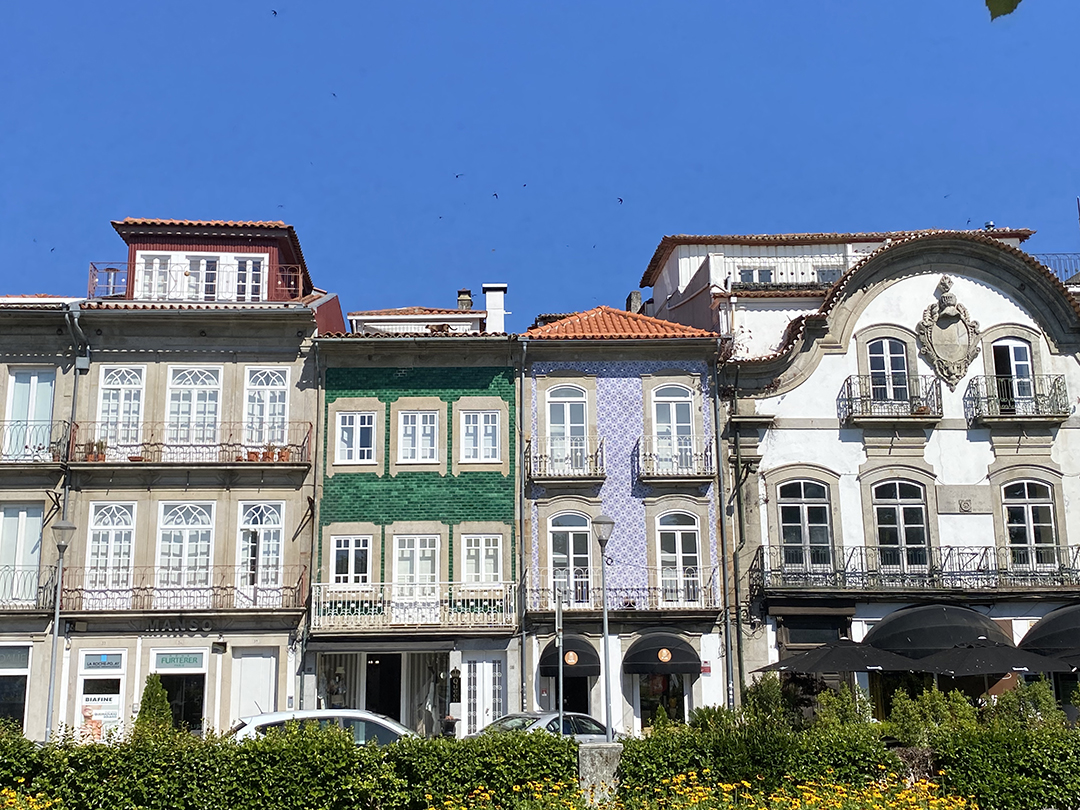
Despite the rise in tourism, especially after 2004 when Portugal saw a general boom, Viana do Castelo has managed to protect its natural ecosystems relatively well. Historically popular among local tourists even before the global spotlight, the city has not suffered from the overexploitation seen in other regions. After a major oil tanker incident in Spain, many marine species migrated southward, aiding the biodiversity of the Portuguese coast. Today, animals are returning and repopulating both land and sea, a sign of nature’s resilience and careful local stewardship.

To witness this firsthand, our project group visited the Environmental Monitoring and Interpretation Centre (CMIA) in Viana do Castelo, where we explored local flora and fauna during a guided tour. To see how it went, watch our CMIA visit reel. At the centre, we observed a variety of bird species in their natural habitats and learned about the local trees and plants. The guides explained the ecological importance of different tree species and how they contribute to the overall health and balance of the ecosystem. This immersive experience showed how careful monitoring and environmental education support the recovery of nature, reinforcing that both wildlife and human communities benefit from sustainable stewardship.
Growth with caution
Still, development brings its own set of tensions. The expansion of rural areas into residential communities raises concerns about maintaining ecological balance. Efforts to promote greener mobility alternatives are mixed. Cycling in Viana is feasible and bike rental services are available, though limited in scale and operated by private entities rather than the municipality.
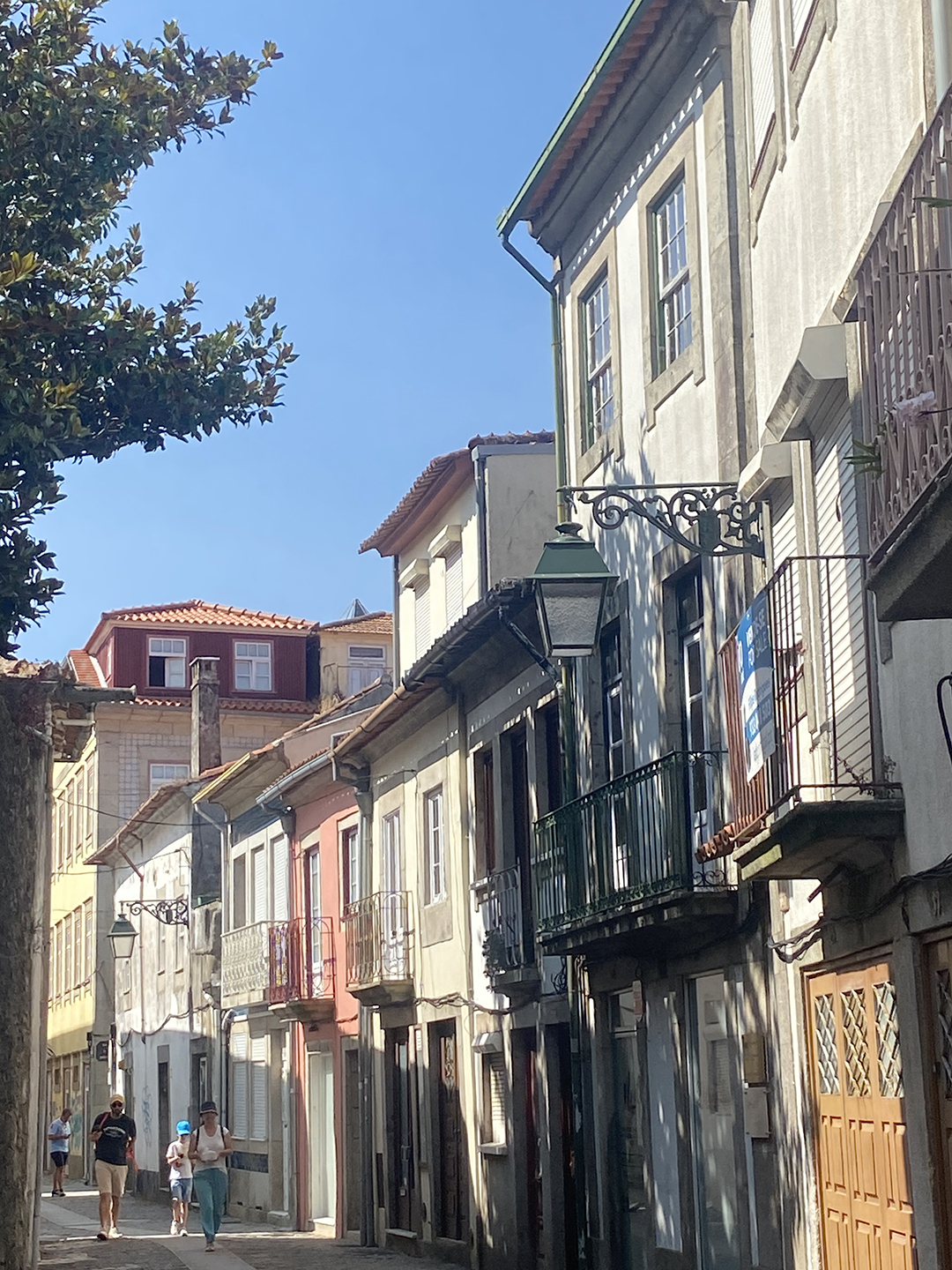
Encouraging more locals to embrace bicycles remains a challenge, as car culture runs deep in Portuguese society, and shifting habits will likely take time and broader infrastructural support. For a short, engaging fact from our trip that highlights local attitudes, see this post with a quick insight.
Conclusion - A journey beyond the city
Viana do Castelo offers a compelling model for how small to mid-sized cities can grow sustainably without compromising their character or environment. While the city still faces infrastructural and cultural challenges, its proactive approach, grounded in community involvement and practical innovation, sets a valuable example for other tourist destinations. For travellers seeking more than just a place to visit, Viana provides a space to engage, learn, and experience a truly different way of living and moving.
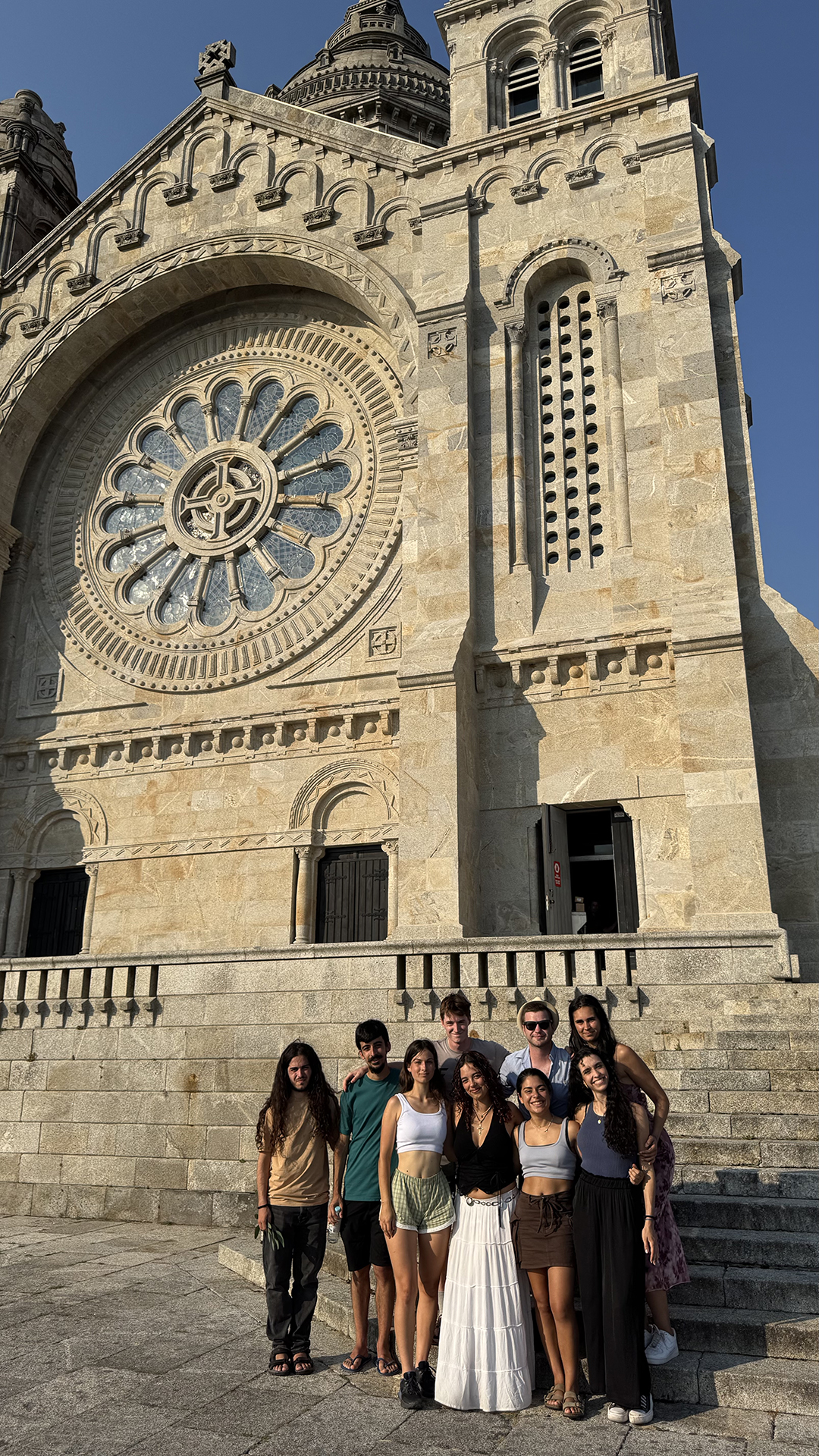
For our group, this project really felt like more than a research task. It allowed us to observe how sustainability is put into practice on the ground, including the areas where Viana succeeds and where it still struggles. Staying at a hostel in Viana that actively tries to implement sustainable aspects showed us how seemingly less noticeable travel decisions, like accommodation and mobility, can genuinely contribute to more responsible tourism. Together, we went on a hunt for tourists and locals, conducting interviews about sustainable travel, habits, and perceptions, and what we discovered was both eye opening and inspiring.
This article is just the beginning of our collective story. If you enjoyed learning about Viana do Castelo, follow us for more insights and stories from our Travel Different for Future journey, from Lisbon to the north of Portugal and beyond. You can explore other articles and reflections written by our fellow volunteers, or visit our Instagram for more highlights, reflections, and eco travel ideas.